
How Restaurant Customer Retention Systems in Singapore Can Help Increase Repeat Visits
A common question from Singapore F&B and retail operators is: “We have customers, but why don’t they come back?” The answer is often not the food, service…
A common question from Singapore F&B and retail operators is: “We have customers, but why don’t they come back?” The answer is often not the food, service or product alone. It is that the business has no practical system for knowing who visited, who stopped visiting, and what action should happen next. A customer retention system is not just a loyalty card or a points app. It is the connected workflow between POS sales, customer profiles, vouchers, campaigns, WhatsApp engagement and reporting.
In Singapore’s high-cost, high-choice market, repeat visits are one of the most reliable ways to reduce dependence on constant discounting and expensive new-customer acquisition. This article explains what a restaurant customer retention system needs to do, how operators can evaluate it, and what practical steps can turn daily sales data into repeat-visit actions.
Why repeat visits matter more than another blanket discount
Many operators respond to slow periods by running another discount. The immediate effect may be more covers, but the long-term effect is often weaker margins and customers who wait for the next promotion. Repeat customers behave differently. They tend to have higher lifetime value, more predictable visit patterns, and stronger response to relevant offers rather than generic ones.
Without connected customer data, retention becomes guesswork. With it, operators can answer practical questions: Who visited last month but not this month? Which members used a voucher and returned? Which outlet has the weakest repeat rate? Which customer segment deserves a WhatsApp message, and which should not be contacted?
What a customer retention system actually needs to do
A useful retention system goes beyond earning and redeeming points. It should connect several operational layers:
Capture customer identity at POS, QR ordering, booking or checkout, with consent.Unify sales and customer data so each transaction links to a member profile where possible.
Segment customers by visit recency, frequency, spend, outlet, product preference and campaign response.
Trigger practical actions such as a thank-you message, a birthday voucher, a win-back offer or an off-peak promotion.
Send through relevant channels, especially WhatsApp where customers already spend time, while respecting consent and PDPA-aware data handling.
Measure outcomes such as voucher redemption, repeat visits, reactivated members and outlet-level performance.
Compare outlets so managers can see where retention is improving or slipping.
The key is not collecting more data for its own sake. The key is turning daily sales, member, voucher and campaign data into a clear next action. Amfuture helps connect POS, CRM, loyalty, WhatsApp marketing and analytics workflows so operators can move from basic transaction recording to connected retention decisions.
The connected workflow: from POS receipt to repeat visit
Consider a simple illustrative workflow. A cafe uses QR ordering and POS. When a customer orders, the system can invite them to join the member list with consent. The POS records the visit, items, spend, outlet and time. Over the next few weeks, the cafe can see who has returned and who has not.
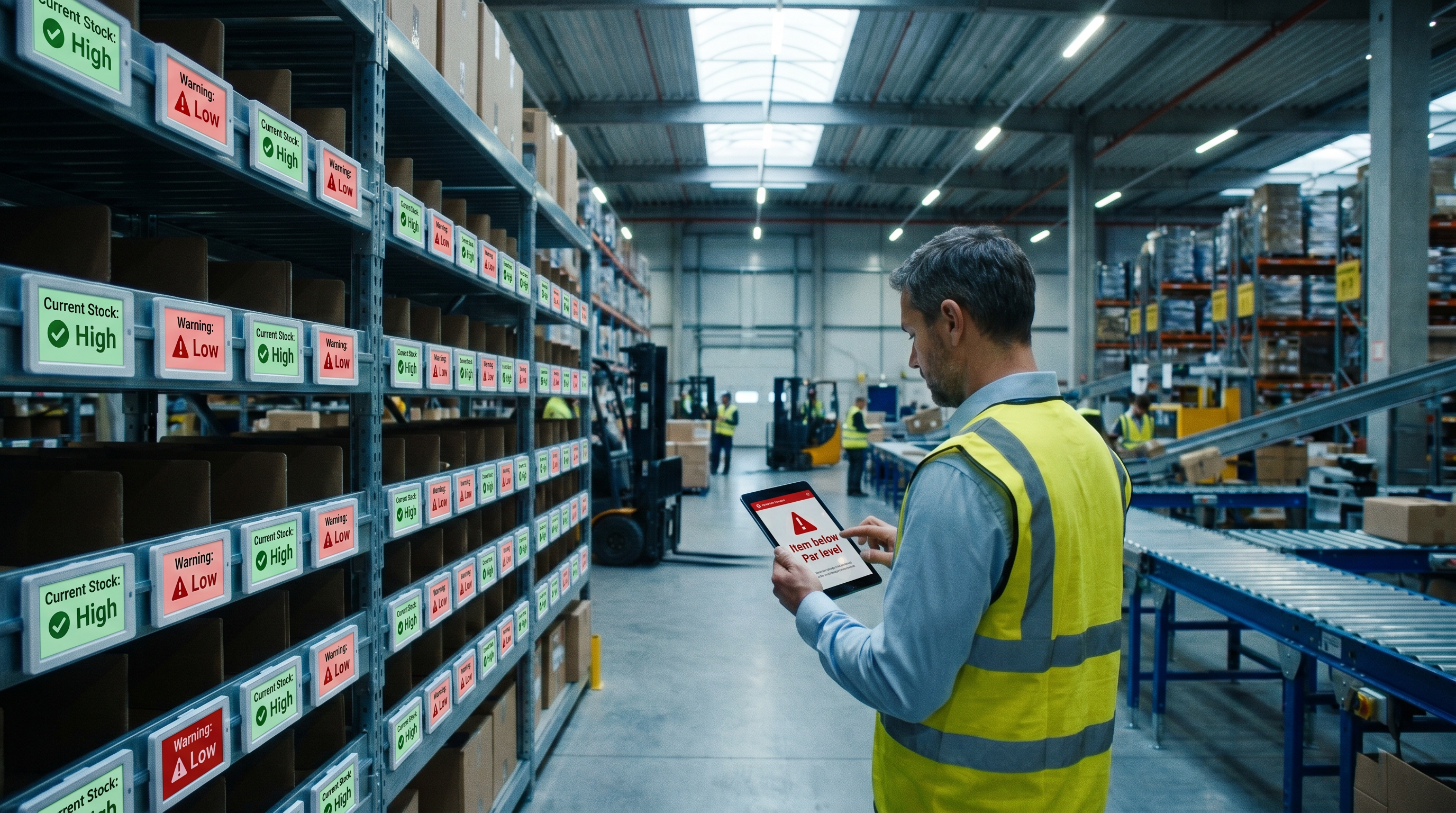
After a defined inactivity period, the cafe identifies first-time customers who have not returned. Instead of sending a broadcast discount to everyone, it sends a targeted WhatsApp message with a small off-peak voucher for a category the customer previously bought. When the voucher is redeemed, the system tracks the visit and links it back to the campaign. The operator can then compare redemption and repeat visits by segment.
A restaurant group can apply the same logic across outlets. If Outlet B has a lower repeat rate among nearby members, the group can run a cross-outlet or outlet-specific reactivation campaign. If Outlet A has strong weekend repeat visits but weak weekday visits, it can test a weekday offer to a relevant segment. A retail store can identify members who bought a specific product category some time ago and send a complementary product reminder.
This is where AI/BI analytics can help. It can surface patterns such as declining visit frequency, inactive member groups, promotion overuse or outlet-level differences. It does not replace operator judgement, but it reduces the time spent guessing which customers should receive which follow-up.
Comparing retention system approaches in Singapore
Operators in Singapore and Southeast Asia often compare POS, CRM and loyalty tools. The right choice depends on business model, outlet count, menu or product complexity, existing systems and internal capacity. The comparison below is a general guide, not a ranking or guarantee of results.
| Platform | Typical positioning | Retention and engagement focus |
|---|---|---|
| Amfuture | Singapore-focused F&B and retail operating platform | Connects POS, CRM, loyalty, QR ordering, KDS, AI/BI analytics and WhatsApp-based customer engagement. Suited to operators who want retention, reactivation and multi-outlet visibility from daily sales and member data. |
| Square | Global POS and payments ecosystem | Offers POS, loyalty and marketing tools. Suited to businesses that want an integrated payments-led stack and can work within its ecosystem. |
| Toast | Restaurant-focused POS and management platform | Includes restaurant workflows, loyalty and marketing capabilities. Often aligned with restaurant operations, though local fit and support should be checked for Singapore. |
| Lightspeed | Retail and hospitality POS platform | Provides POS, CRM and loyalty add-ons for multi-location retail and hospitality. Suited to operators needing broader commerce features. |
| StoreHub | Southeast Asia POS and loyalty platform | Focuses on retail and F&B operators in the region, with loyalty and engagement features. Suited to businesses wanting a regional POS approach. |
No system is universally better. The practical question is whether it helps your team collect clean customer data, segment it simply, act through the right channel, and measure repeat visits without adding too much manual work.
Practical operator scenarios
A cafe with low weekday traffic. The cafe uses QR ordering to collect consent-based WhatsApp numbers. It identifies customers who visited on weekends but not weekdays. It sends a small weekday breakfast voucher to that segment only. The operator tracks redemption and whether those customers return again without a voucher.
A restaurant group with uneven outlet performance. The group compares repeat visit rates across outlets. One outlet has many first-time customers but weak second visits. The team tests a post-visit thank-you message with a return incentive, then reviews which outlet manager needs more support.
A practical action checklist for Singapore operators
Define what retention means for your business. Example: a timely second visit, a subsequent purchase within the business’s normal cycle, or repeated visits over a quarter.Fix consent and data capture. Make it simple to join at POS, QR ordering or checkout, and handle data in a PDPA-aware way.
Connect POS data to customer profiles. Without this link, retention remains manual and slow.
Start with three segments. New, active and lapsed customers are enough for many first campaigns.
Use WhatsApp with relevance, not volume. A targeted reactivation message is usually better than a daily broadcast.
Issue vouchers with a purpose. Use them to encourage a second visit, off-peak visits or category trial, not just to discount everything.
Measure repeat visits by outlet and segment. Redemption alone is not enough; the goal is whether customers return.
Review campaign results monthly. Keep what works, pause what does not, and refine the next action.
Avoid blanket discounts as the default. They can train customers to wait for promotions and weaken margin.
Use analytics to find the next opportunity. Look for inactive members, declining frequency, promotion overuse and outlet gaps.
A restaurant customer retention system in Singapore can help increase repeat visits when it connects daily sales, customer identity, loyalty, vouchers, WhatsApp engagement and reporting into one practical workflow. Amfuture helps operators connect those pieces so they can make clearer retention, reactivation and multi-outlet decisions. The starting point is not a bigger campaign. It is knowing which customer should receive which follow-up action next.