Your systems record what happened.Amfuture learns what works.
Amfuture connects with your existing systems, turns operational data into action, and continuously builds your company’s own intelligence and best practices.
Traditional POS, CRM, ERP, HRM and inventory systems are designed to record transactions and standardise processes. Amfuture learns from your operations, identifies what works, turns it into repeatable best practices, and helps your team execute those practices consistently.
Traditional Systems
Amfuture
Record transactions
Understand what drives results
Store SOPs
Build operational intelligence
Depend on manual analysis
Continuously identify patterns
Provide reports
Recommend and execute approved actions
Apply fixed workflows
Learn from outcomes
Hold historical data
Build a company-owned intelligence asset
Your operational experience becomes an intelligence asset that grows more valuable over time.
INTEGRATIONS
Keep Your Existing Systems. Add Intelligence.
You do not need to replace your current POS, CRM, ERP, HRM, accounting or inventory systems. Amfuture can connect with your existing technology stack, unify relevant operational data, and create an intelligence layer across your business.
Slow-moving products. Quiet afternoons. Unusual discounts across outlets. Explore how AI Managers connect evidence, prepare actions and turn results into reusable practices for F&B and retail.
Start with a question that matters to your business.
A QUESTION WORTH ASKING
F&BRetailMarketing
Your regulars have gone quiet. How do you bring them back?
What your AI Managers can do
Find quiet customers, prepare a relevant offer and message, send after approval, then track return visits.
Find quiet customers
Approve the outreach
Track return visits
Why it matters
Connect audience selection, outreach and follow-up in one workflow.
See how to ask+
For [store], identify lapsed members, recommend a strategy, prepare vouchers and messages, then plan outcome tracking. Pause for approval before each write action.
A QUESTION WORTH ASKING
Retail
Which products are selling slowly?
What your AI Managers can do
Compare product sales, trends and outlet performance to separate persistent slow movers from short-term changes. Add stock turnover when inventory is connected.
Find slow movers
Compare outlets
Prepare next steps
Why it matters
Focus merchandising, promotion and purchasing reviews on the products that need attention.
See how to ask+
Using completed orders from authorised retail outlets over the last four weeks, identify consistently slow-selling products by outlet and category. State the observation window and separate facts from possible causes. If inventory or costs are unavailable, say so and do not estimate turnover or profit. Recommend next steps without changing products or placing orders.
A QUESTION WORTH ASKING
RetailMarketing
Which customers are likely to return?
What your AI Managers can do
Use purchase recency, repeat frequency and product preferences to identify customers worth following up, explain the signals and prepare relevant outreach ideas.
Identify buying signals
Prepare relevant outreach
Measure repeat purchases
Why it matters
Move from a generic broadcast to relevant follow-up that your team can review and measure.
See how to ask+
Review purchasing records from authorised outlets and identify customers whose behaviour suggests they may buy again. Explain the recency, frequency and preference signals without treating them as certain predictions or inventing probabilities. Prepare outreach using enabled features, show recipients and copy, and wait for approval before sending.
F&BMarketing
Empty tables in the afternoon. What could you try?
What your AI Managers can do
Identify quiet hours and relevant customers, then suggest offers supported by your setup.
Why it matters
Focus campaign effort on the hours that need more traffic.
See how to ask+
For [store], identify weak sales windows and relevant customer groups. Suggest offers supported by enabled features. Keep this read-only.
RetailMulti-outlet OperationsFinance
Which outlet has unusual discount activity?
What your AI Managers can do
Compare discount rates, manual overrides and cancellations across outlets over the same period. Flag records for review and check campaign context before interpreting differences.
Why it matters
Help headquarters focus its review while avoiding false alarms from legitimate promotions.
See how to ask+
Compare discounts across the retail outlets I can access over the last four weeks. Use consistent definitions and review changes in manual discounts, price overrides and cancellations. Link unusual patterns to traceable orders and check concurrent promotions. Provide review leads without treating an anomaly as misconduct or changing orders.
F&BRetailMulti-outlet Operations
More outlets to manage. Which one needs attention?
What your AI Managers can do
Compare authorised outlets using consistent revenue, order and average-spend measures.
Why it matters
Spot outlets that deserve attention, then investigate the differences.
See how to ask+
For [store], compare authorised outlets by revenue, completed orders and average order value over [period]. Keep this read-only.
RetailProcurementPilot Programme
What should we reorder this week?
What your AI Managers can do
In the pilot programme, once authorised inventory, open-order and supplier lead-time data is connected, compare recent demand with available stock and prepare replenishment recommendations for procurement review.
Why it matters
Give replenishment decisions a fuller evidence base than sales figures or intuition alone.
Pilot Programme example: procurement workflows require connected inventory, purchasing and supplier data, used within approved permissions.
See how to ask+
Within the procurement pilot programme, first confirm access to inventory, open orders, supplier lead times and safety-stock rules. Once these are available, prepare this week’s replenishment recommendations with assumptions and items for review. If data is missing, list the required integrations instead of inventing stock or creating purchase orders.
RetailMarketingFinance
Which promotion generated profitable repeat purchases?
What your AI Managers can do
Connect campaign outreach, repeat orders, discounts and verified costs. Review attributable revenue separately from profit indicators, and flag incomplete cost data.
Why it matters
Build on campaigns worth testing again, with attention to profitable repeat business.
See how to ask+
Compare trackable repeat orders from recent campaigns at authorised retail outlets. State the attribution window, offer costs and available product costs. Separate revenue from profit and do not claim profitability when costs are incomplete. Distinguish correlation from incremental impact and identify practices worth testing again.
F&BRetail
Sales are down. Fewer guests or smaller orders?
What your AI Managers can do
Compare two periods and separate changes in orders and average spend.
Why it matters
Find what changed before deciding what to do next.
See how to ask+
For [store], compare [period A] with [period B]. Show changes in revenue, orders and average order value. Keep this read-only.
F&B
Is your bestseller the right dish to promote?
What your AI Managers can do
Review popularity alongside verified costs, flagging any missing cost data.
Why it matters
Make better-informed decisions about what to feature.
See how to ask+
For [store], compare product popularity with margin where verified cost data is available. Flag missing costs instead of estimating margin from price. Keep this read-only.
F&BRetailMarketing
A customer’s birthday is a reason to reconnect.
What your AI Managers can do
Find this month’s birthdays and prepare a greeting and offer for approval.
Why it matters
Turn a timely greeting into an invitation to visit again.
See how to ask+
For [store], prepare birthday messages for members in [month]. Show the audience, template and voucher for approval first.
F&BRetailFinance
It’s month-end. Start with the review, not the report assembly.
What your AI Managers can do
Bring sales, products, members and vouchers into a review with evidence and next steps.
Why it matters
Move the monthly discussion towards causes and actions sooner.
See how to ask+
For [store], prepare [month]'s review covering sales, products, member activity and voucher use. Include the evidence and one action per area. Keep this read-only.
Examples depend on connected data, access permissions and enabled features. Changes and outreach require approval; procurement examples are marked as part of the pilot programme.
What would better intelligence change for your business?
Start with your systems and a real operating question. Explore what your AI management team could help you learn and improve.
Ask questions about your business in plain language. Amfuture analyses connected data, explains what happened and prepares the next action—without spreadsheets, SQL or manual report building.
Why did revenue fall last Tuesday?
Questions for your business
Which outlet needs attention today?
Which customers are becoming inactive?
What should we reorder this week?
Which campaign generated the most repeat revenue?
Why is gross margin declining?
CONTINUOUS LEARNING
Intelligence That Compounds Over Time
Every campaign, operational decision and business outcome creates new learning. Amfuture identifies which actions work, under what conditions and for which customers or outlets. Successful patterns become repeatable best practices for your organisation.
01
Observe
Connect operational signals
02
Analyse
Identify patterns and causes
03
Act
Execute within approved permissions
04
Measure
Review the business outcome
05
Learn
Understand when and why it works
06
Improve
Refine the next best practice
WHAT YOUR BUSINESS KEEPS
A shared understanding of your operations
Evidence of what works, where and why
Best practices your teams can reuse
Competitors can buy similar software. They cannot buy the intelligence your business has built over time.
MARKETING BASE
From lucky draws to loyalty quests. One base for every new idea.
Describe a campaign or mini-game in plain language. Create its customer-facing experience with tools such as Claude or Cursor, while Amfuture’s Marketing Base connects it to the products, rewards and member operations behind it.
Create in natural language
No specialist technical background. No need to read code. Start with the experience you want customers to have.
Connect the business behind it
Reuse products, rewards and membership capabilities instead of rebuilding CRM and POS functions for every campaign.
YOUR IDEA, IN PLAIN LANGUAGE
“Create a seasonal lucky wheel. Let customers discover a product, a gift, a voucher, points or a member benefit, using our campaign rules.”
EXPLORE THE POSSIBILITIES
A spin that starts a conversation
Try a spin and discover the reward types a lucky wheel can feature.
Try a few different experiences. Every new idea can connect to the same Marketing Base.
An illustration of campaign ideas and reward types. No real rewards are issued.
ONE BASE. DIFFERENT WAYS TO REWARD.
The experience changes. Your business capabilities stay connected.
Connect selected products, physical prizes, vouchers, points and member tiers through the campaign’s rules, available interfaces and permissions.
Products
Physical gifts
Vouchers
Points
Member tiers
A new theme, a new game, a new combination of rewards. Build on shared product and member capabilities, with campaign rules shaped around your business.
More than a campaign page: an experience your team can operate, review and learn from.
From an order at the counter to stock, procurement and the daily close. Connect the operational touchpoints that give your business intelligence context—and a way to act.
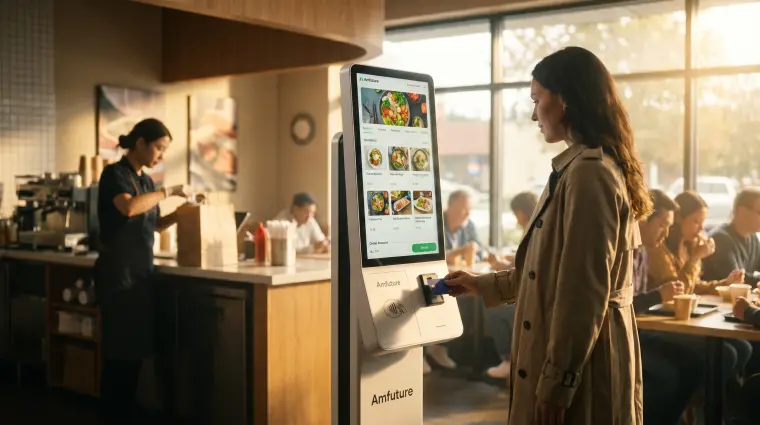
Self-service ordering
Let guests browse, order and check out at a kiosk, easing pressure at the counter.
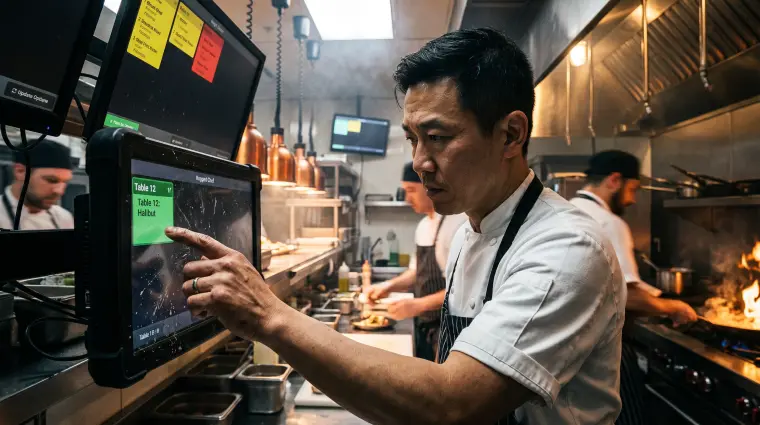
A connected kitchen
Route orders to the right kitchen station and keep teams aligned on preparation.
Scan, choose, order
Turn a table QR code into a convenient ordering journey connected to store operations.
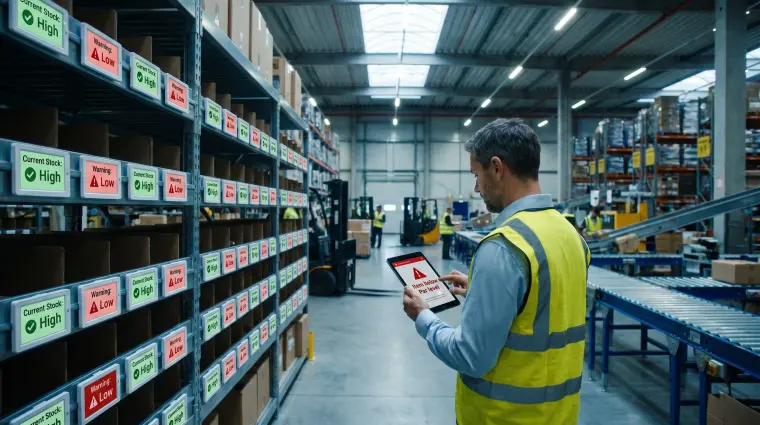
Know what is in stock
Connect stock movements, alerts and write-offs so teams can follow up on exceptions.
Follow every purchase
Keep supplier information and purchase-order progress connected for better coordination.
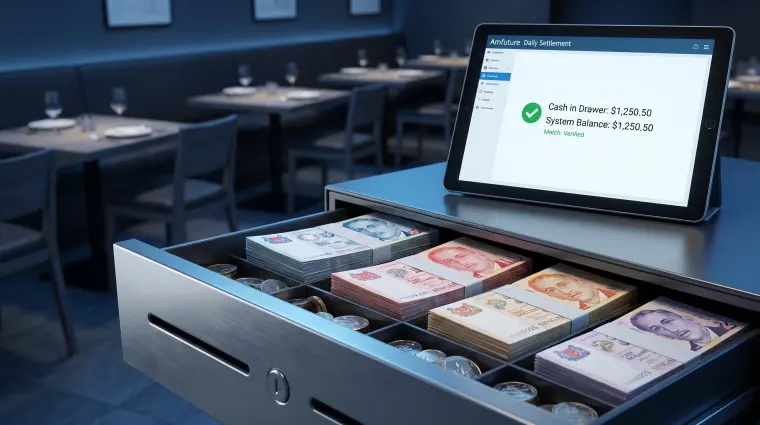
Close the day with clarity
Bring cash-drawer activity and end-of-day records together for reconciliation.
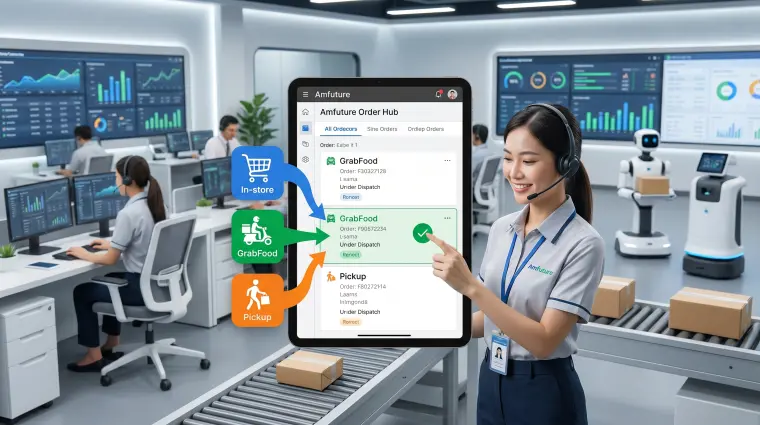
One view of every order
Bring dine-in, takeaway and delivery orders into a shared operational view.
Keep the queue moving
Give guests and staff a clear view of queue progress and calling status.
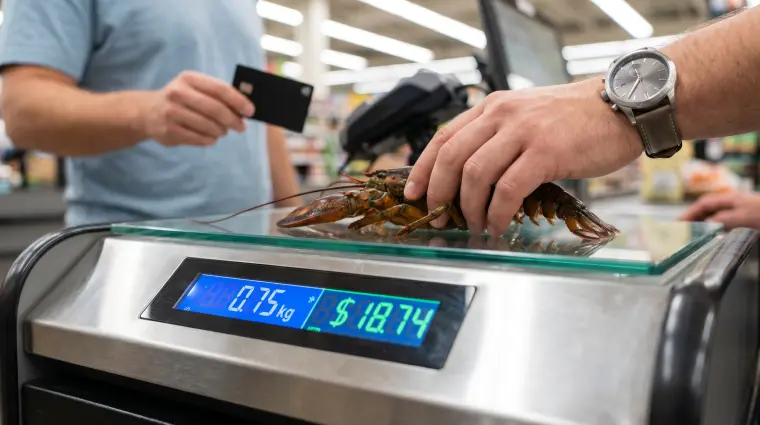
Weigh and check out
Connect weighing, item pricing and checkout for products sold by weight.
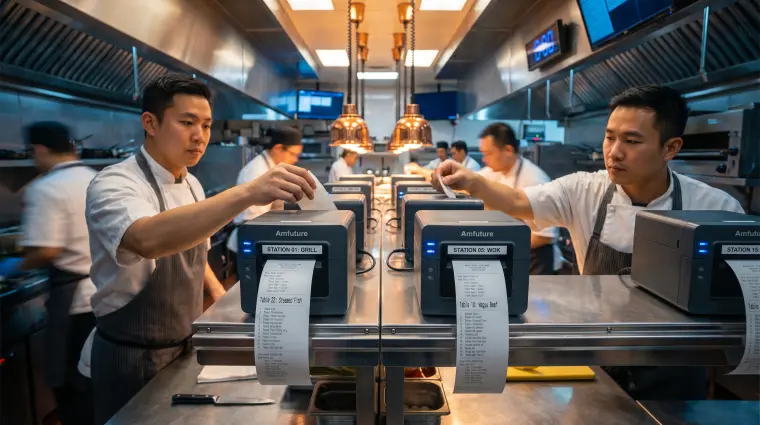
Send tickets to the right station
Route item tickets by category so each preparation station receives its own tasks.
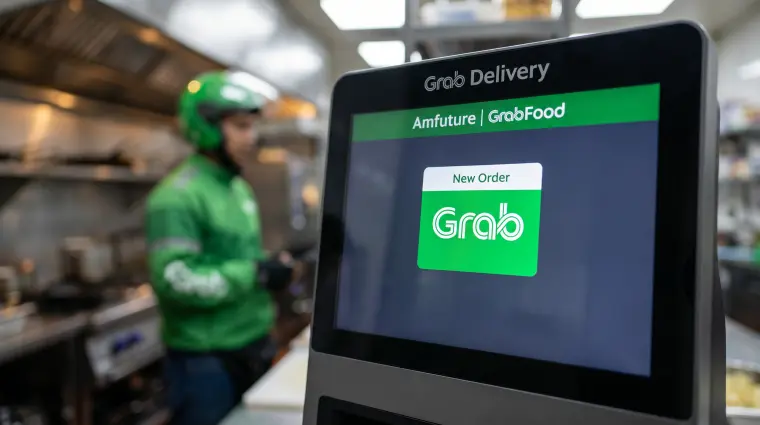
Bring GrabFood orders in
Connect GrabFood orders with store workflows to reduce repeated entry.
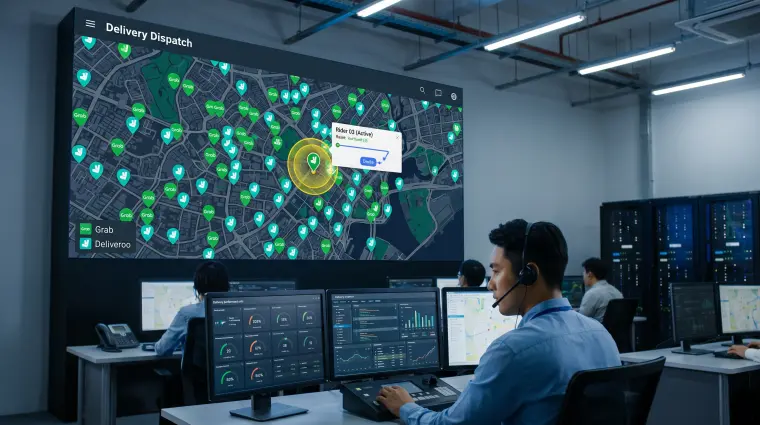
Follow the delivery journey
Track dispatch and delivery progress so teams can respond when fulfilment needs attention.
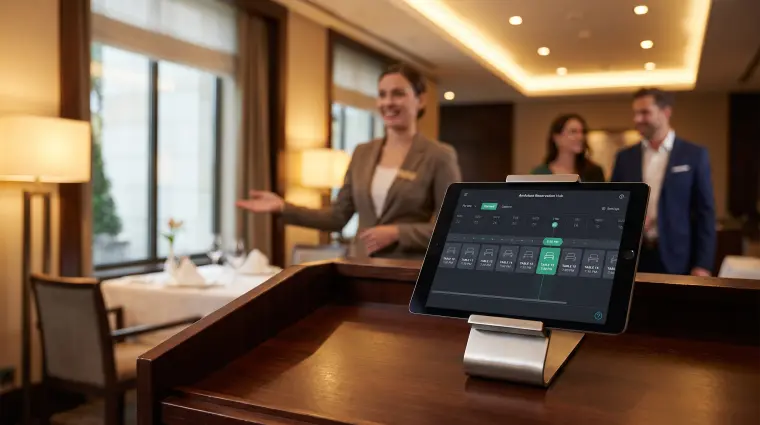
Prepare for arriving guests
Coordinate reservations, waiting guests and table holds in one workflow.
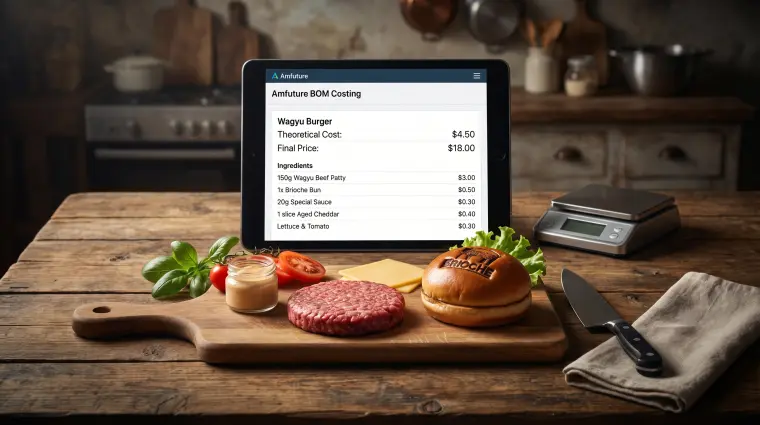
Understand recipe costs
Connect recipes and theoretical ingredient usage to support cost and margin reviews.
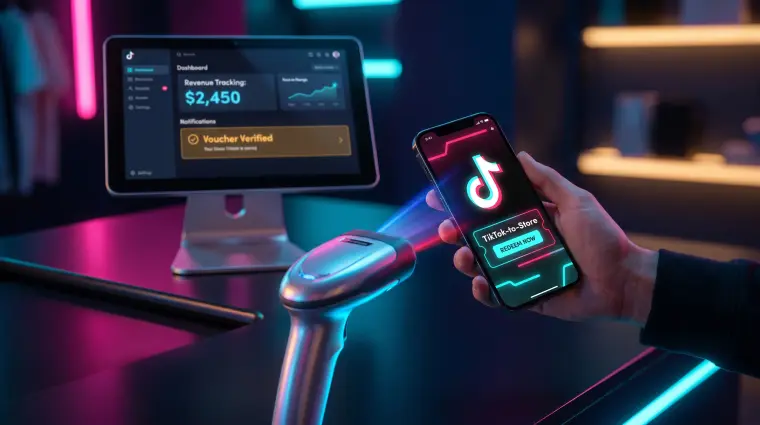
Turn discovery into a visit
Connect digital product vouchers and in-store redemption across the acquisition journey.
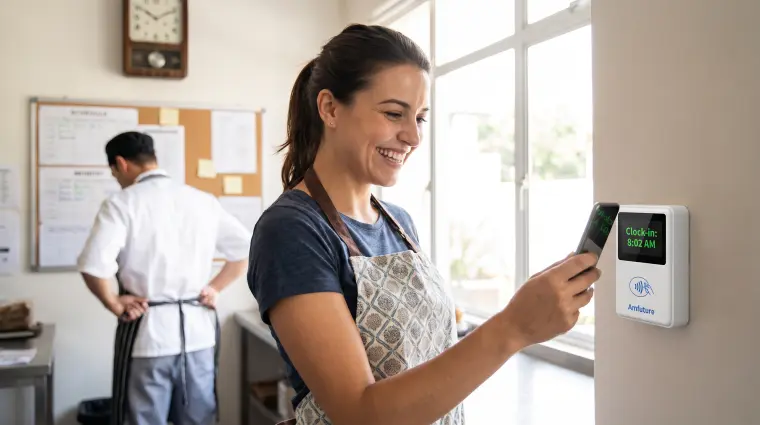
Keep attendance organised
Bring clock-ins and working-hour records together for attendance and payroll preparation.
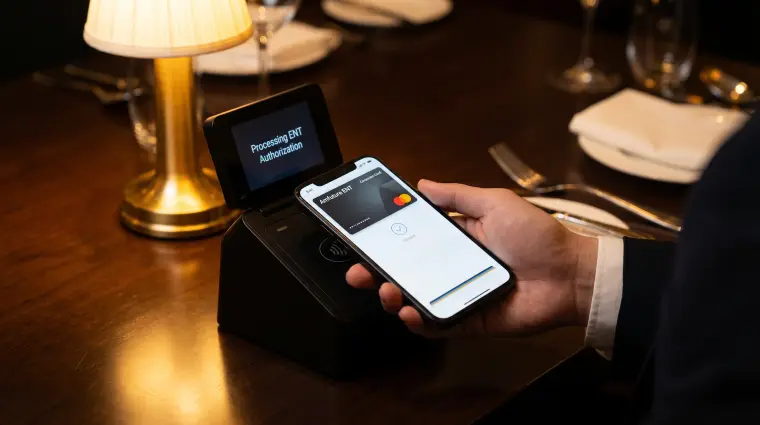
Track business hospitality
Record hospitality approvals and related transactions for operational review.
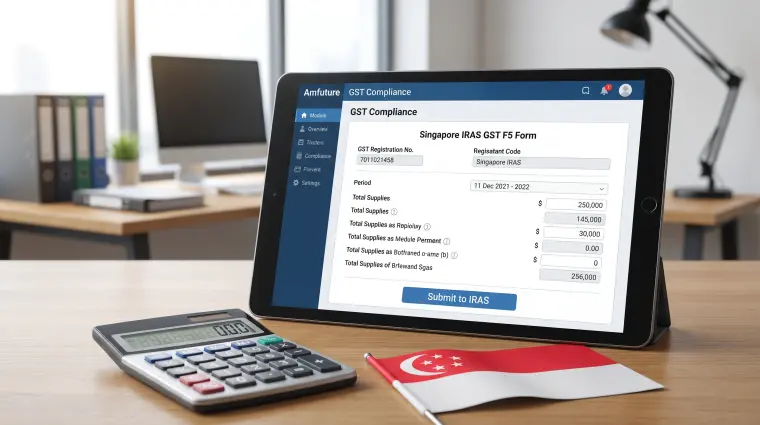
Keep tax records connected
Connect tax calculations with transaction records and reporting workflows.
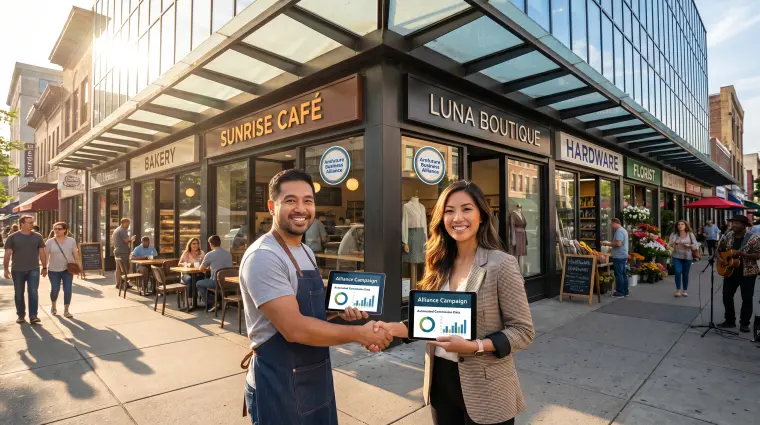
Create campaigns across brands
Coordinate shared promotions, rewards and redemption across participating merchants.
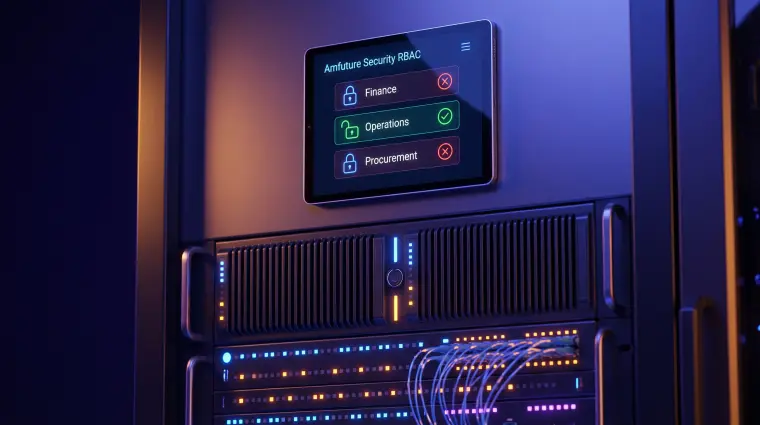
Give each role the right access
Control access across teams and functions so people work within their responsibilities.
Business-system capabilities and connections are configured to your deployment. AI Manager availability is shown separately below.
AI MANAGERS
Meet Your AI Management Team
Specialised AI Managers work across your business, share intelligence and learn from every result.
AI Operations Manager
Monitors outlet performance, revenue, product movement, discounts, cancellations and operational exceptions. Identifies what requires attention and recommends the next action.
Available
AI Marketing Manager
Analyses customer behaviour, identifies growth opportunities, plans campaigns, prepares content, executes approved outreach and measures revenue and repeat-purchase results.
Available
AI Procurement Manager
The pilot programme focuses on supplier pricing, consumption, inventory and demand, with purchasing recommendations to help manage cost changes, waste and stock-outs.
Pilot Programme
AI Finance Manager
The pilot programme focuses on consolidating operational and financial data, supporting reconciliation and management reports, and explaining profitability, cash flow and financial performance.
Pilot Programme
Serving businesses across everyday life
Supporting the everyday operations of F&B and retail brands.
Campaigns with our customers
Selected marketing examples from Amfuture’s company presentation, focused on the work performed and the outcomes measured.
Fong Sheng Hao
Targeted outreach
Track campaign-attributed revenue following approved customer outreach.
Great Nanyang
Off-peak marketing
Review trackable revenue generated through an off-peak campaign.
Sakeshi
Repeat visits
Measure repeat-purchase revenue from returning customers.
These examples reflect selected historical campaigns in Singapore and Malaysia. Outcomes vary with the customer base, offer, execution and market conditions.
Security
Enterprise-Grade Security at Every Layer
Your business intelligence remains protected, controlled and owned by your organisation.
L1Identity and Access Control
Role-based access across teams, outlets and functions.
L2Application Security
Secure application design, monitoring and controlled actions.
L3Data Protection
Encryption in transit and at rest.
L4Governance and Compliance
Data handling aligned with applicable Singapore requirements.
L5Infrastructure Security
Secure, monitored and resilient cloud infrastructure.
FLEXIBLE DEPLOYMENT
Designed Around Your Business
Every business has a different system landscape, operating model and intelligence goal. We design each deployment around your existing systems, required AI Managers, number of outlets and level of automation.
01
Start with Intelligence
Connect selected data sources and identify operational opportunities.
02
Add AI Managers
Start with Operations and Marketing Managers, and explore Procurement and Finance Managers through a pilot programme tailored to your needs.
03
Build a Closed Loop
Connect analysis, approval, execution, measurement and continuous learning.
A deployment shaped by your needs
Existing systems and integrations
Outlets, teams and selected AI Managers
Approval rules and automation level
Data preparation and ongoing learning
Talk to us about your business and receive a tailored deployment plan.
Traditional POS, CRM, ERP and operational systems primarily record transactions and standardise workflows. Amfuture connects data across these systems, identifies what works, supports execution and continuously turns successful outcomes into reusable organisational intelligence.
No. Amfuture can integrate with existing POS, CRM, ERP, HRM, accounting, inventory and ordering systems, subject to available interfaces and permissions. Begin with read-only intelligence and add execution or closed-loop automation when your organisation is ready.
The operational intelligence developed from your business data and operating history is an asset of your organisation. Access is controlled according to your agreed permissions, data policies and deployment structure.
Amfuture can analyse data, prepare recommendations and execute approved actions. Approval levels and automation permissions are configured according to each organisation’s policies and risk requirements.
Amfuture is designed for multi-outlet F&B and retail businesses, supporting individual outlets and headquarters. Operations and Marketing Managers are available; Procurement and Finance Managers are available through a pilot programme.
Pricing depends on the number of outlets, required integrations, selected AI Managers and level of automation, as well as data preparation and ongoing learning requirements. Contact us for a deployment plan tailored to your business.
Vision
The Future of Offline Business
Intelligence that continuously learns
People
Set direction, make decisions and build relationships.
AI Managers
Analyse, coordinate, execute and learn.
Robotics
Carry out physical tasks consistently and efficiently.
The future of offline business is not simply digitalisation. It is collaboration between people, AI and robotics—powered by intelligence that continuously learns.
Build Your Company’s Intelligence Advantage
Connect your existing systems, deploy specialised AI Managers and turn everyday operations into intelligence that compounds over time.